


Retainers After Braces: How to Keep Your Smile Straight
Getting your braces off or finishing your final aligner is a brilliant moment, but it is not quite the finish line. Teeth have a natural tendency to drift back toward their old positions, and retainers are what protect the result you have worked so hard for. Here is how retention works and how to keep your new smile for life.
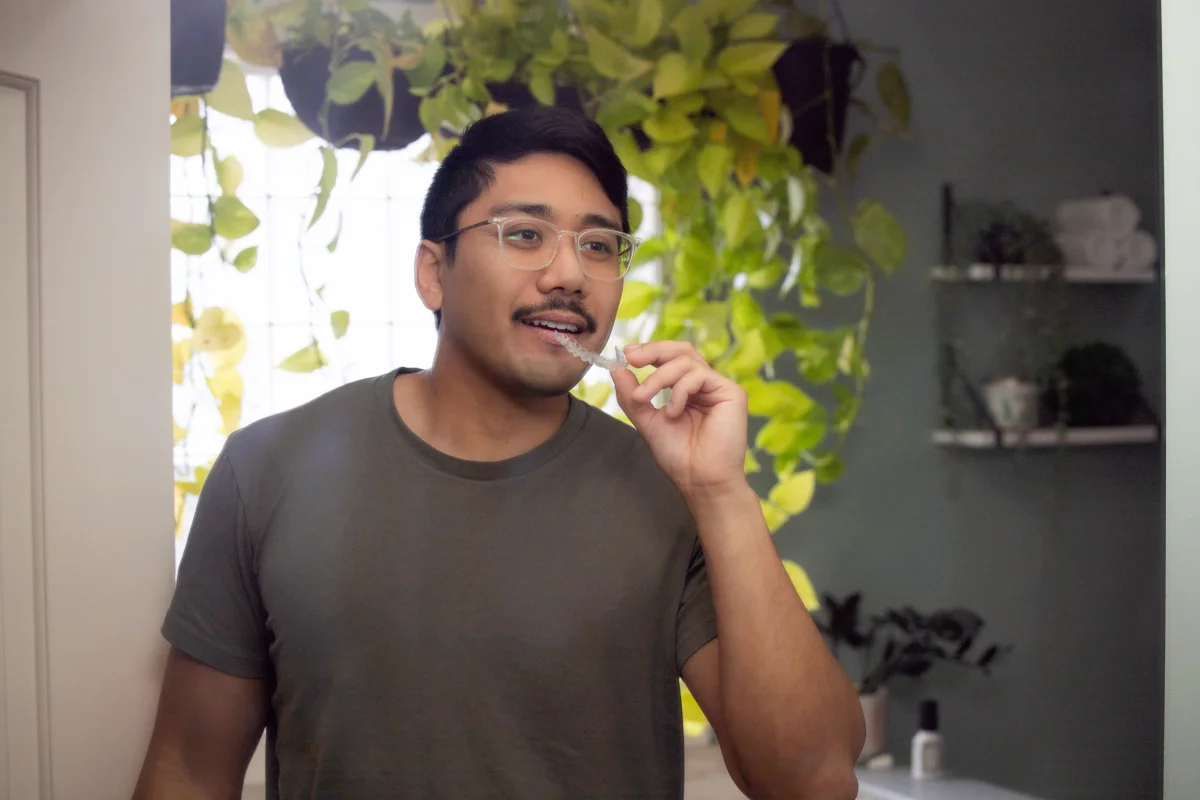
At Allstar Orthodontics, every treatment plan is created by Dr Mike Anderson, Specialist Orthodontist, and retention is built into your plan from the very start. Whether you have completed braces or Invisalign® and clear aligners, this guide explains why retainers matter, the options available, how long to wear them, and how to keep them in good shape.
Why retention matters
The bone and fibres that hold your teeth in place need time to settle around their new positions. In the months after active treatment they are still remodelling, which is when teeth are most likely to relapse. Wearing a retainer as directed holds everything steady while your bite stabilises. Skipping retention is the single most common reason people see their teeth shift again, so think of your retainer as the final, essential stage of treatment rather than an optional extra.
Types of retainers
There is no one-size-fits-all retainer. Your Specialist Orthodontist will recommend the option, or combination, that best protects your result and suits your lifestyle.
- Fixed (bonded) retainers: a thin wire bonded discreetly behind the front teeth. It works around the clock without you having to remember anything, and is often used on the lower front teeth, which are prone to crowding.
- Removable clear retainers: custom trays that fit snugly over your teeth, similar in look to clear aligners. They are nearly invisible and easy to take out for eating and cleaning.
- Hawley retainers: a durable acrylic-and-wire design that is adjustable and long-lasting, if slightly more visible than a clear tray.
Many patients wear a fixed retainer behind the front teeth for security and a removable retainer at night for the rest of the smile. We will talk you through the pros and cons of each at your debond appointment.
How long do you need to wear a retainer?
In the first few months after treatment, we usually recommend wearing a removable retainer for most of the day and night, then gradually reducing to nights only as your bite stabilises. To keep your teeth straight for the long term, night-time wear is generally a lifelong habit. It is a small commitment for a result that lasts. A fixed retainer stays in place continuously and is checked at your reviews.
Caring for your retainer
- Clean removable retainers gently with a soft brush and cool water. Avoid hot water, which can warp the plastic.
- Always store a removable retainer in its case, never wrapped in a tissue where it is easily thrown away.
- Keep it away from pets, which love to chew retainers, and away from heat sources such as car dashboards.
- With a fixed retainer, take extra care to floss underneath it using a floss threader, and keep up your routine dental check-ups.
What if you stop wearing it, or it breaks?
If a removable retainer starts to feel tight, that is a sign your teeth have begun to move and you should wear it more consistently again. If it no longer fits, do not force it. If a fixed retainer wire comes loose or a removable retainer is lost or damaged, contact us promptly so we can repair or replace it before any shifting takes hold. Replacement retainers are straightforward, and acting quickly is always cheaper and easier than a second round of treatment.
Staying on track with reviews and Dental Monitoring
Retention is not something we leave to chance. Your reviews let us check your bite and the condition of your retainers, and with Dental Monitoring we can keep an eye on your progress remotely between visits. That means fewer trips to the clinic and early reassurance that your result is holding beautifully.
FAQ
How long do I have to wear a retainer after braces?
Most of the day at first, reducing to nights only once your bite is stable. To protect your result for life, night-time wear is generally a permanent habit.
Are fixed or removable retainers better?
Both work well and each has trade-offs. Fixed retainers need no remembering; removable ones are easy to clean and nearly invisible. Many patients use a combination. Your Specialist Orthodontist will recommend what suits your smile.
What happens if I lose my retainer?
Contact us as soon as possible for a replacement. The longer you go without wearing a retainer, the more your teeth can drift, so acting quickly protects your result.
Can my teeth still move with a retainer in?
A well-fitting retainer worn as directed holds your teeth in place. If it starts to feel tight, that is an early sign to wear it more often, and to let us know.
Why choose Allstar Orthodontics
- Specialist care: every plan, including retention, is designed by Dr Mike Anderson, Specialist Orthodontist.
- Digital convenience: 3D scanning and Dental Monitoring support fewer, smarter appointments.
- Two Brisbane clinics: see us in Fortitude Valley or Albany Creek.
Protect your new smile
You have invested time and effort into a straighter smile, and the right retention keeps it that way for good. If you have questions about your retainers, need a replacement, or are planning treatment and want to understand the full journey, book a consultation with Allstar Orthodontics in Fortitude Valley or Albany Creek. We will make sure your results last.
Visit us
Select the location nearest you from the dropdown list below.
Albany Creek
Suite 3, 725 Albany Creek Rd,
Albany Creek
QLD 4035
admin@allstarorthodontics.com.au
Opening Times
- Week 1
- Wednesday
- 8:00am – 6:00pm
- Week 2
- Tuesday
- Thursday
- 8:00am – 6:00pm
- 8:00am – 4:30pm
 Open in Google Maps
Fortitude Valley
Shop 35, 1000 Ann St,
Fortitude Valley
QLD 4006
admin@allstarorthodontics.com.au
Opening Times
- Week 1
- Monday
- Tuesday
- Wednesday
- Thursday
- Friday
- 8:00am – 5:00pm
- 8:00am – 6:00pm
- Closed
- 8:00am – 5:00pm
- 8:00am – 4:30pm
- Week 2
- Monday
- Tuesday
- Wednesday
- Thursday
- Friday
- 8:00am – 5:00pm
- Closed
- 8:00am – 6:00pm
- Closed
- 8:00am – 4:30pm